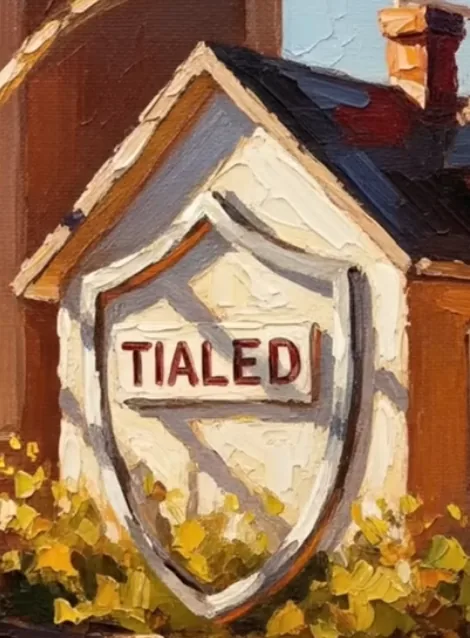
The art all had a consistent style—homey neorealism with crusty brushstrokes meant to suggest that it had been done by a good amateur painter. It worked well for the subject—except that many of the images were meant to represent documents or other things with words on them, and that was where the art became strangely and unintentionally surreal. Bot artists still have a lot of trouble with words.
That seems strange, because AI has become very good at optical character recognition. It is the one thing Dr. Boli regularly uses AI to accomplish: the bots can read a page written on a hundred-year-old typewriter and transcribe it without a single mistake.
But when the traffic is going in the other direction—when the bot has to make words, not by generating Unicode characters, but by actually drawing pictures of letters—then the results are comically inept.
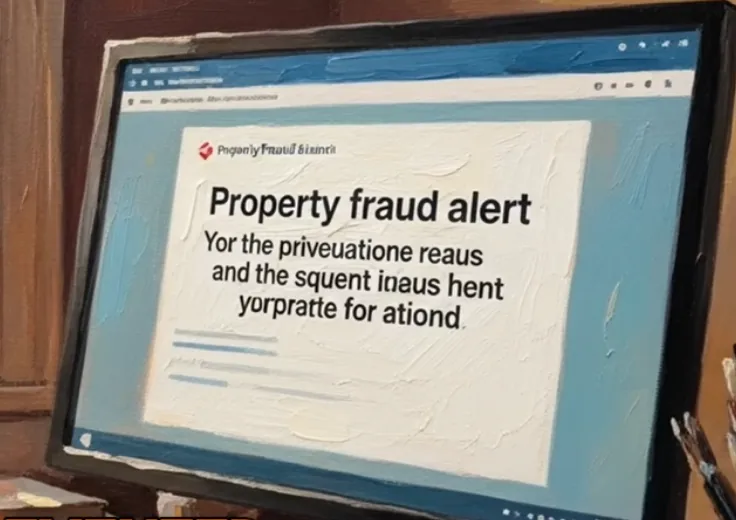
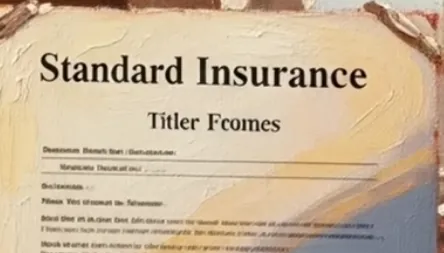
It appears that our videographer has edited some of these images to make the primary phrase correct, but otherwise he has let the AI bot give us its impression of what English looks like. And its impression is very impressionistic. It is not just that the letters spell out words that do not exist; if you look closely, you begin to see that some of the letters are not real letters in any known language.
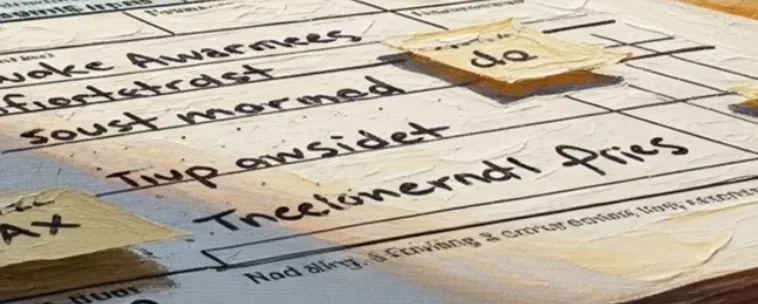
This is what human written language looks like to an alien intelligence—for if we stipulate that the bots are intelligent (which not everyone will agree to), then we must at least call them alien intelligences.
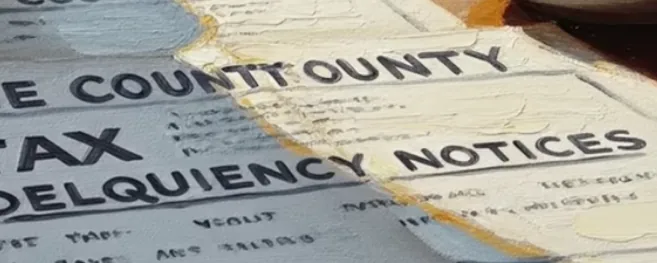
Sometimes the bot has obviously been given directions about the words to include in the image; but the bot has felt free to treat the words as impressionistically as the pictorial part of the image.
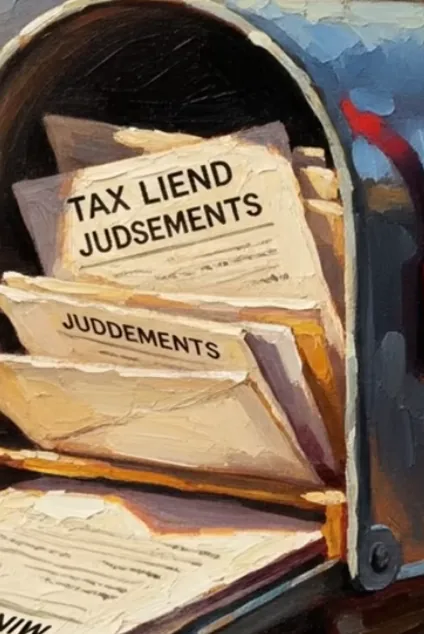
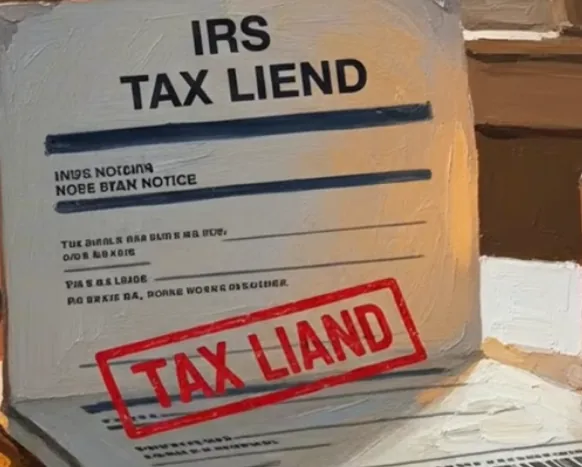
Prompting, it seems, can generate very real-looking pictures, but these attempts at written language probably tell us something very interesting about how much the bots actually understand of what they are picturing for us.
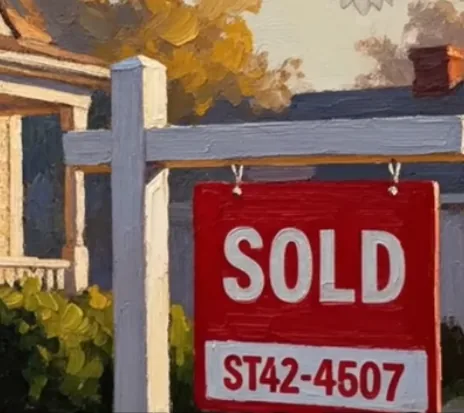
Even this SOLD sign, which gets the word right, includes what is obviously meant to be a phone number that looks like no phone number in use today—although, in an alternate universe where named telephone exchanges were kept into the YouTube age, this number would make sense as “STanton 42-4507.”
So what have we learned from our little excursion into botdom? First, that unsupervised bots need to be reined in and their work refined or altered by humans if the humans do not wish to be embarrassed. Second, that there seems to be no penalty for extreme laziness in video making, so go ahead and upload your first attempt.
Footnotes
- Here we should point out that our use of the art would be legitimate under the principle of “fair use,” since we have reproduced very small sections of a much larger work and we have done it for the purpose of criticism; but it is the opinion of the Copyright Office that art generated by AI prompting is not copyrightable anyway. (↩)