Posts filed under “Books & Literature”
ON THIS DAY IN HISTORY.
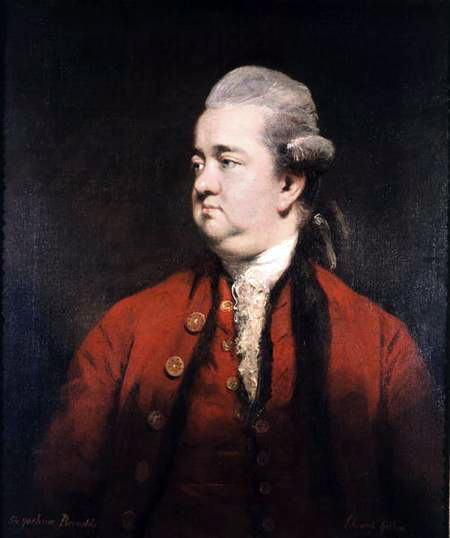
On this day in 1764, Edward Gibbon conceived the idea that he might write a little book about the history of Rome. However, by the time he had finished the first sentence twelve years later, the work had already run into two folio volumes.
—

COMING SOON.
UPDATE: Now available! The new book of old stories from Dr. Boli, including the complete novella The Case of the Missing Case.
FROM THE ILLUSTRATED EDITION.

FROM THE ILLUSTRATED EDITION.

FROM THE ILLUSTRATED EDITION.

FROM THE ILLUSTRATED EDITION.

THE TYPEFOUNDER AS OPIUM-EATER.
The “index,” or pointing finger, is a useful item in any printer’s shop, and Dr. Boli keeps a stock of them on hand (so to speak) at the service of his advertisers.

As you can see from Dr. Boli’s collection, it is possible to imagine the index dressed up in many different ways, from Greek philosopher to modern businessman; it will still perform its function of pointing at things, and it will do so without giving the reader nightmares.
But there are times when typefounders, like other fallible mortals, run badly off the rails. In 1889 a certain designer at the Franklin Type Foundry in Cincinnati, perhaps under the influence of substances that were then perfectly legal, though not advised for recreational use, produced two of the most disturbing indexes ever crafted by an engraver. They are so disturbing, in fact, that you must first promise Dr. Boli that he will not be held responsible for your mental health; and only then may you proceed.
(more…)FROM THE ILLUSTRATED EDITION.

MORE SURREALISM FROM TYPE SPECIMENS.
We have already seen examples of the mad surrealism of type specimens from the 1800s. Sometimes, however, the mood is more satire than surrealism. Here are some examples of both from a specimen book issued by Farmer, Little & Co. in 1867.


In 1867, there was still a fair amount of bitterness when the subject of British-outfitted Confederate privateers came up.


This one, in the most florid nineteenth-century marketing language, is actually talking about the type itself, a “rimmed gothic.”

FROM THE ILLUSTRATED EDITION.

FROM THE ILLUSTRATED EDITION.
