Posts filed under “Books & Literature”
ARTICLE TITLES THAT FAIL TO TEMPT US TO READ FURTHER.
“Inspirational Sylvester Stallone Quotes”
FROM THE ILLUSTRATED EDITION.

FROM THE ILLUSTRATED EDITION.

From DR. BOLI’S UNABRIDGED DICTIONARY.
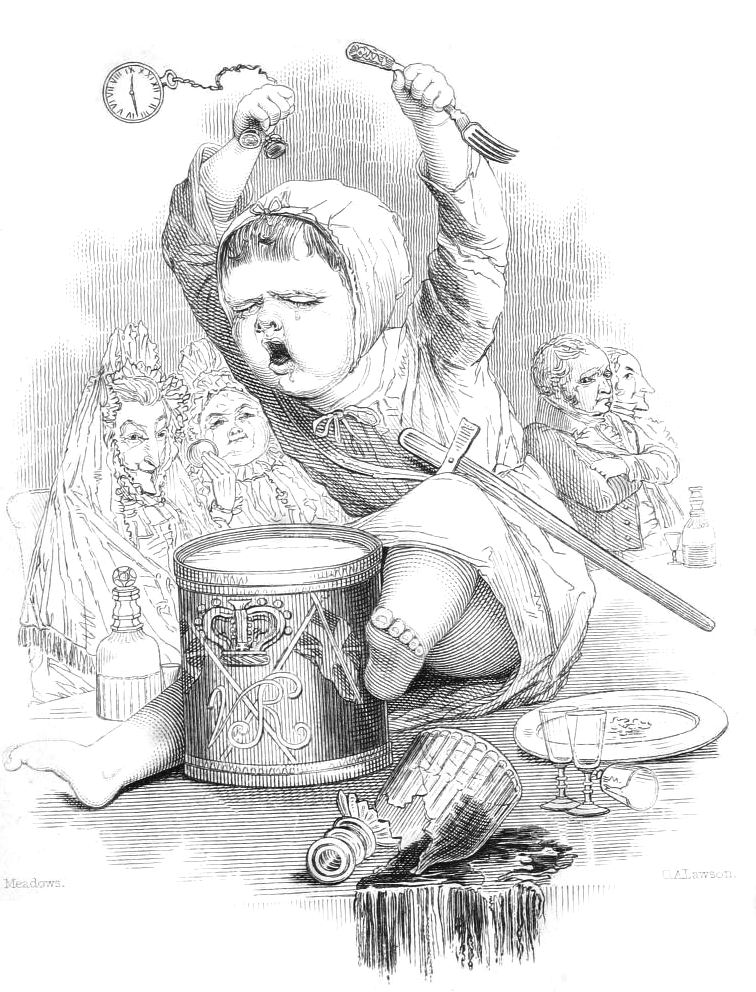
Tantric (adjective). Having to do with a tantrum (q. v.).
THE TOP TEN NUMBERED LISTS YOU WON’T FIND ON FACEBOOK.

Cecilia Esther Morris Clancy, Robert Morris’ second cousin twice removed (once from Philadelphia to York, and once from York to Scranton), photographed at the age of 137.
—
The list is numbered backwards, of course, thus building excruciating anticipation.
10. Twelve famous celebrities who eat their bagels with a knife and fork.
9. Thirty-six forgotten cousins of the Founding Fathers.
8. Thirteen everyday things that cannot be quantified.
7. Eight surprising things Beyoncé doesn’t know about the autonomous community of Extremadura in Spain.
6. The five most artistic left turns in the history of Breezewood.
5. Twenty-four really foul-tasting foods that can’t be improved at all by dipping in any kind of fondue.
4. Seventeen surprising books you didn’t think were thick enough to press flowers in.
3. The sixty-two dullest political memoirs of the Eisenhower era.
2. The ninety-five theses of Martin Luther.
1. The top ten numbered lists you won’t find on Facebook.
FROM THE ILLUSTRATED EDITION.

FROM THE ILLUSTRATED EDITION.

DOUBLE QUOTES, SINGLE QUOTES, AND AIR QUOTES.

You may have noticed an interesting phenomenon among the semiliterate in America (a category in which Dr. Boli includes academic writers): many of them make a distinction, unknown in manuals of English usage or style, between double quotation marks for direct quotations and single quotation marks for…something else. The something else is hard to define, but usually we see single quotes surrounding a term of slang or jargon that is outside the writer’s usual vocabulary. (There is an interesting and amusing article describing the phenomenon on the Slate site.)
It suddenly occurred to Dr. Boli yesterday afternoon, while he was making the day’s second pot of tea, that the people who make a distinction in writing between double quotes for direct quotation and single quotes for slang or jargon are almost invariably the same people who, when they speak, flap their fingers beside their heads to make “air quotes” (or, as such people would write, ‘air quotes’).
But do they observe the same distinction in air quotes? Do they twiddle only a single finger on each hand when they speak a term of slang or jargon outside their usual vocabulary?
This is a question that no one is addressing, and the neglect of it is sapping the life from our culture. For consistency’s sake, we ought to demand that air-quote users make the same distinction in the air that they make in print. Perhaps we, the responsible listeners of the world, could help the air-quote users make this distinction by carrying small rolls of electrical tape in our vest pockets or purses. When we see an air-quote user with four fingers flapping in the air, we can use the electrical tape to bind one of the fingers on each hand, thus rendering it inoperative for air-quote purposes. This is, of course, only a preliminary suggestion; its effectiveness can be determined only by experiment.
FROM THE ILLUSTRATED EDITION.

FROM THE ILLUSTRATED EDITION.
